Szentendre on the Danube
Forty minutes up the Danube by suburban train, a Serbian merchant town turned artists’ colony stacks Orthodox towers over gallery lanes — with Hungary’s biggest open-air village museum waiting outside it.
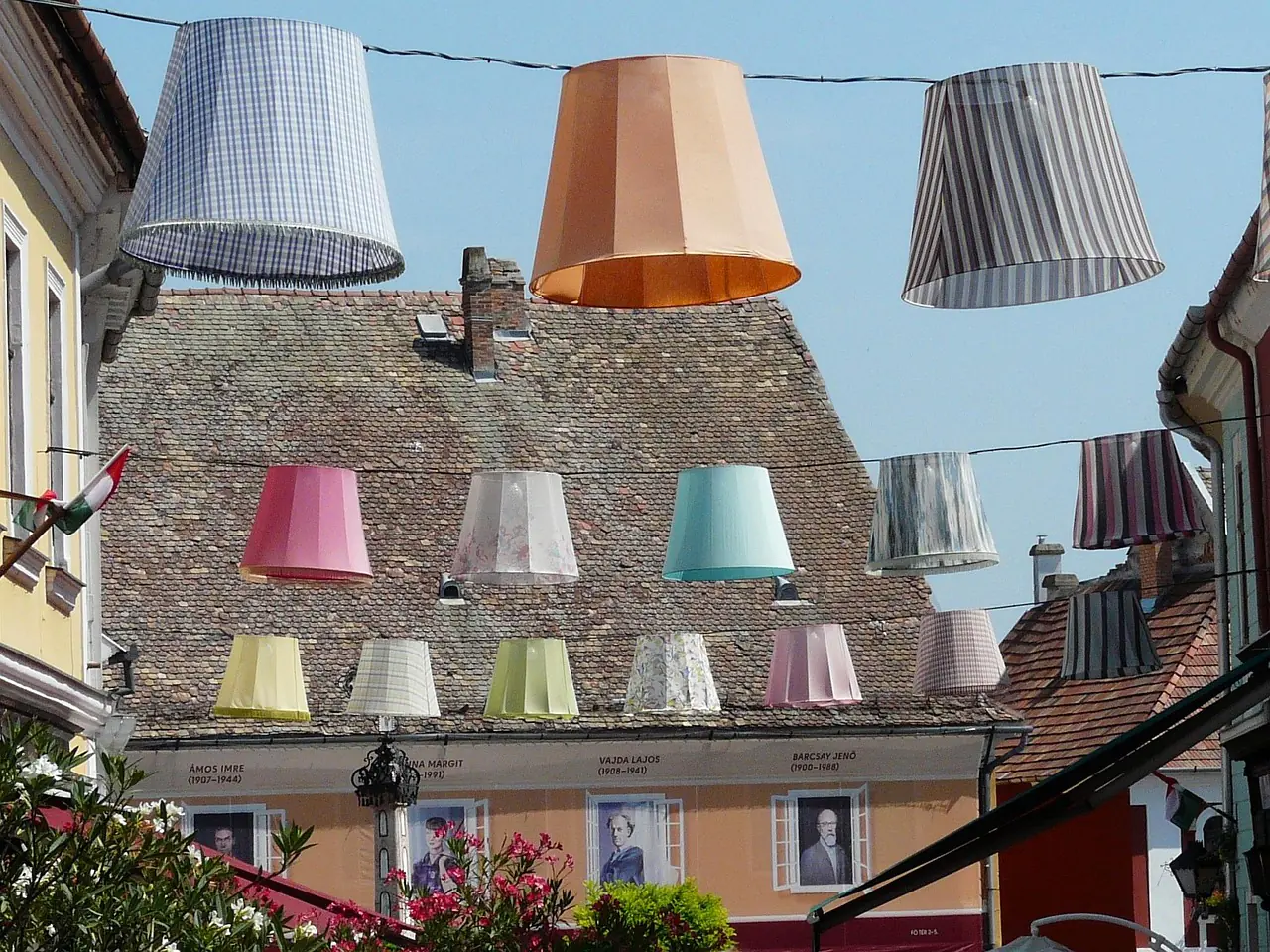
The short version
- The HÉV H5 suburban line runs Batthyány tér to Szentendre in about forty minutes at metropolitan fares — turn-up frequency, with the town center a short signed walk from the terminus.
- The Serbian layer is the town’s foundation: Orthodox merchant families settling here from the late 17th century raised the churches whose towers still set the skyline — the Blagoveštenska on the main square and its siblings, a cluster unusual anywhere north of the Balkans, with the Serbian ecclesiastical museum holding the icons and vestments.
- The artists’ colony arrived in the 1920s and stayed: gallery lanes, single-artist museums (the Margit Kovács ceramics collection the standing favorite), and a working art economy that outgrew the postcard version without abandoning it.
- The eating register per the alarm: lángos fried and loaded at the stands, the marzipan museum-and-shop’s window theater, and Danube-bank terraces pouring fröccs at river pace.
- The Skanzen — the Hungarian Open-Air Museum a short bus ride from town — is the country’s largest: whole villages of relocated houses, churches, and mills from every region, working craftspeople in season, and the alarm’s needs-your-afternoon warning stated as fact.
- The main square’s cross, the lanes toward the Danube, and Templom Hill’s church terrace supply the compositions; Visegrád and Esztergom upstream are the bigger Danube Bend day, documented on this network.

Getting there
The H5’s forty minutes make Szentendre the lowest-friction escape on Budapest’s board — metropolitan tickets and passes cover it (validate per the system’s rules), and the terminus funnels straight into the old town. The alarm’s midweek clause is the one real decision: summer Sundays fill the lanes to festival density with the capital’s own day-trippers. The Skanzen runs its own bus link from the HÉV terminus and its own seasonal calendar — pairing town morning with museum afternoon is the classic full-day shape.
The day
Work the main square first: the plague cross, the Blagoveštenska church’s iconostasis, and the merchant houses’ painted facades — then let the lanes distribute you: galleries by appetite (the Kovács ceramics museum the consensus stop), the Serbian ecclesiastical collection for the deeper Orthodox layer, and the Danube bank for the fröccs interval. The lángos and marzipan obligations per the alarm discharge themselves en route. The Skanzen afternoon, for those who take it, delivers village Hungary at full scale — regional house-rows, working mills, craft demonstrations, and a seasonal narrow-gauge train stitching the grounds; it closes the day tired and satisfied. The H5 home runs at metro indifference either way.
When to go
April through October runs the full version — terraces open, Skanzen in full season with craft weekends and festivals, and the lanes at their best midweek per the alarm. December compresses the town around its Advent market at genuine charm. Deep winter quiets everything to gallery-and-café pace with the Skanzen on reduced patterns; the Serbian churches’ Orthodox calendar adds its own feast-day moments for those who land on them. Summer Sundays, per the standing warning, are joined deliberately or dodged entirely.
Frequently Asked Questions
Why is there a Serbian town in Hungary?
Ottoman-era migrations — Serbian merchant and church communities moved north under Habsburg protection in the late 1600s, and Szentendre became their commercial and ecclesiastical center. The families largely departed over later centuries; the churches, the museum, and the town’s fabric remain, presented as the shared heritage it is.
Is the Skanzen really worth a half day?
At the country’s largest open-air museum — whole relocated villages, not a courtyard of samples — the half day is the honest minimum, per the alarm. Season matters: craft demonstrations and animals run spring through autumn, and the festival weekends are the museum at its best. Winter visits get architecture without the life.
Which galleries should I actually enter?
The Margit Kovács ceramics museum is the one near-universal recommendation — a singular sculptural voice in a perfect small building. Beyond it, the lanes reward browsing over listing: single-artist rooms, serious dealers, and souvenir retail announce themselves honestly. The Serbian ecclesiastical museum is the sleeper for icon lovers.
What exactly is lángos?
Deep-fried flatbread, classically rubbed with garlic and loaded with sour cream and cheese — Hungary’s fairground staple, eaten hot and immediately. Szentendre’s stands run the full topping spectrum; the classic version is the benchmark and the calorie count is nobody’s business.
Szentendre or the full Danube Bend from Budapest?
The Bend proper — Visegrád’s citadel and Esztergom’s basilica, documented on this network — is the bigger landscape-and-history day at bigger logistics. Szentendre is the gentle version: forty minutes, lanes, galleries, lunch. Many travelers do Szentendre as the Bend’s taster and return for the rest; the H5 makes the taster nearly free.