Budapest Day Tours
I’m Serious Day Tour Man AI, your day trip expert. Ask me anything — where to go, how to get there, and what’s actually worth your day.
Budapest’s day trips run on legends with paperwork: a castle where two thousand defenders — the town’s women famously among them, pouring hot oil from the walls — turned back an Ottoman army thirty times their size, a wine valley of two hundred cellar caves where tastings are poured by pipette straight from the barrel, and a UNESCO village where the seventeenth century never ended.
The Danube itself organizes half the list: an artists’ village thirty minutes upstream, a citadel above the river’s famous bend, and Hungary’s biggest basilica staring at Slovakia across the water. The city block sorts the thermal baths and the Parliament tour mechanics.
Here’s what’s worth a day, with real times and honest trade-offs.

Popular Day Trips
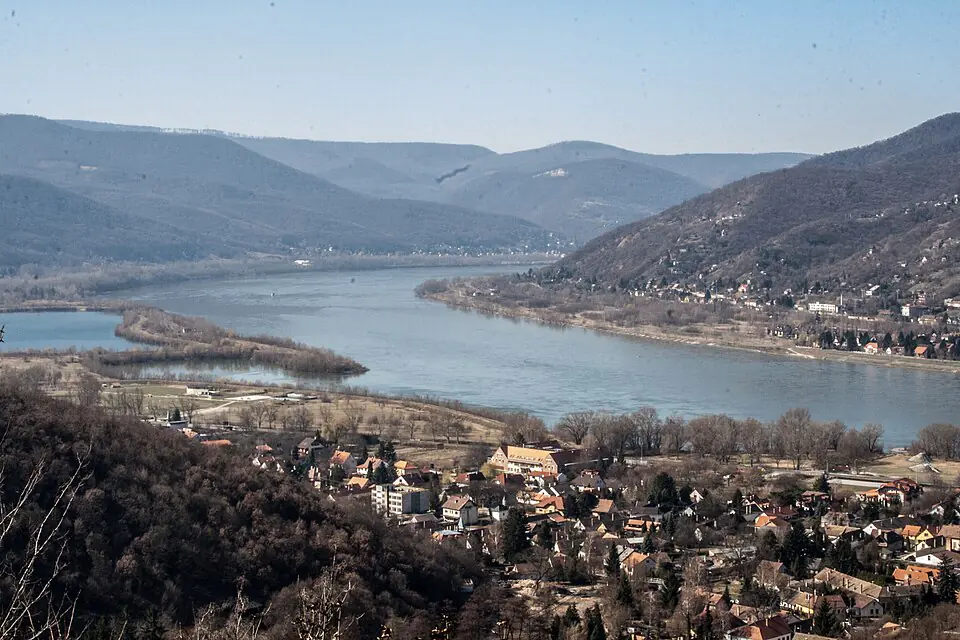
Danube Bend
Szentendre, Visegrád

Szentendre
The Forty-Minute Suburban Train, Serbian Towers
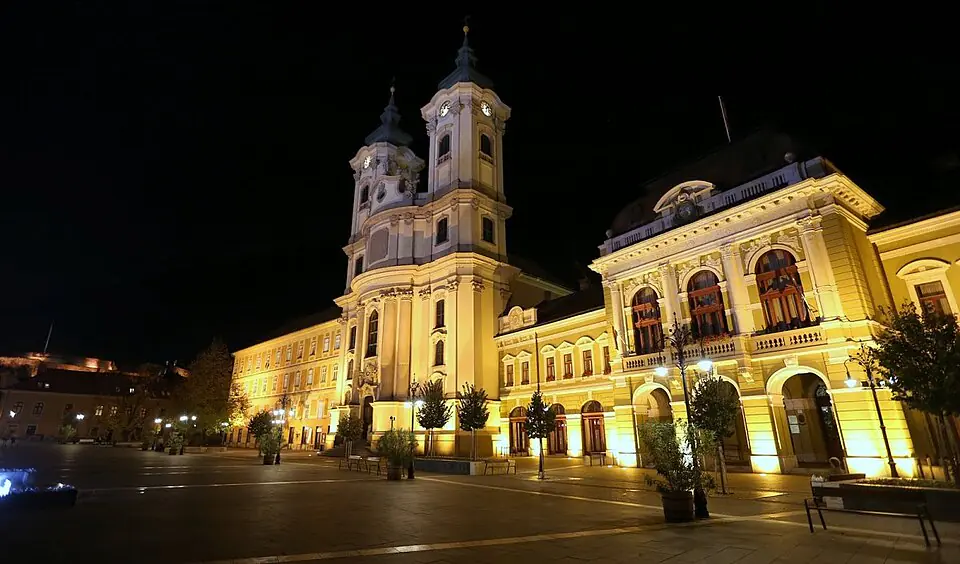
Eger
The Two-Hour Train, the 1552 Castle
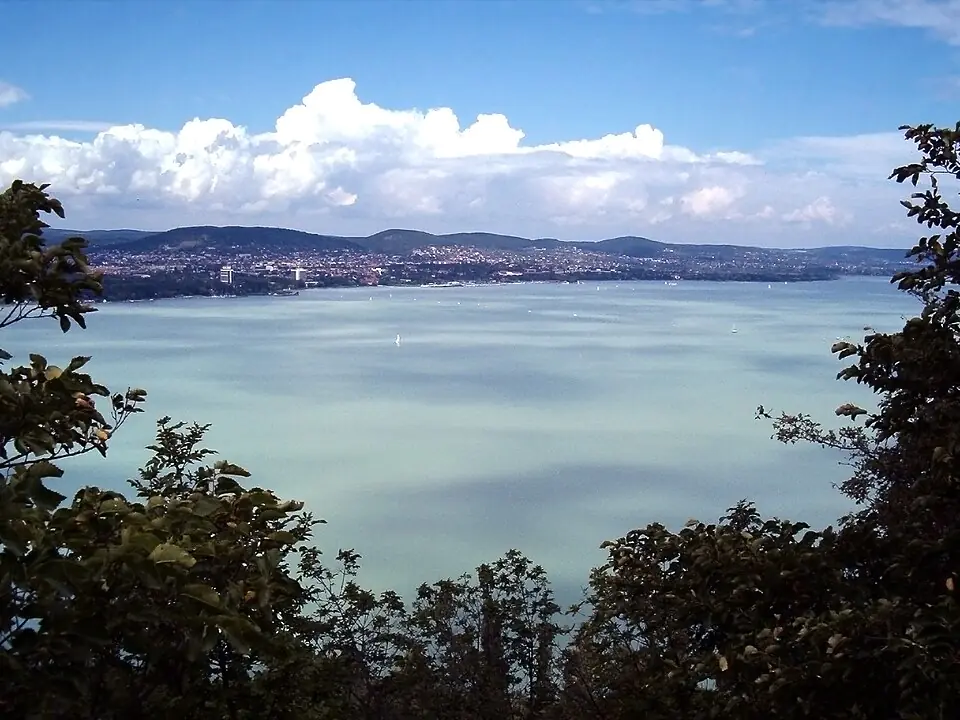
Balaton
Pick the North Shore, Tihany’s Thousand Years
Szentendre — The Artists’ Village Upstream
Thirty minutes north on the HÉV suburban train (the city transit pass plus a small supplement covers it), Szentendre is Budapest’s pocket escape: a Baroque riverside town settled by Serbian merchants, its skyline still punctuated by Orthodox church towers, and colonized since the 1920s by artists who left it with more galleries per lane than anywhere in Hungary.
The circuit: the main square’s iced-gingerbread architecture, the lanes climbing to the Church Hill viewpoint over the rooftops and river, the Margit Kovács ceramics museum (the town’s essential collection — her folk-modern figures explain themselves), and the Danube promenade for the corzo hour. The marzipan and retro museums handle families; the gallery ateliers handle everyone else.
The stack: the Hungarian Open Air Museum (Skanzen) at the town’s edge is the country’s largest — village architecture from every region reassembled with costumed interpreters and craft demonstrations, its own half day in the growing season and the best family history stop in the region. Summer weekends bring the coach wave by 11 (the HÉV beats it), the lavender-and-trinket shops price for visitors, and the town off-season returns to the painters. Half day for the town, full with the Skanzen.
Read the full Danube Bend day-trip page.
Read the full Szentendre day-trip page.
The Danube Bend — Visegrád & Esztergom
The river’s great curve packs two registers into one arc, an hour north. Visegrád first: the hilltop citadel where medieval Hungary kept its crown jewels, with the Bend’s signature panorama — the Danube folding through wooded hills — from the upper walls; the renaissance royal palace below tells the Matthias-era golden age, and the summer palace games lean into it cheerfully. The bobsled-style summer toboggan on the hillside is the family bribe that works.
Esztergom, twenty minutes on, is the ecclesiastical heavyweight: Hungary’s basilica — the country’s largest church, seat of its primate for a millennium — rises over the river with a dome climb reading into Slovakia; the Mária Valéria bridge below walks you across the Danube to Štúrovo for the two-countries-before-lunch photograph and the cheaper Slovak lunch itself. The treasury and crypt carry the deep history; the red-marble Bakócz chapel, salvaged from the medieval cathedral, is the interior’s jewel.
The formats: car or tour links both comfortably; the boat-one-way, bus-back version makes the river itself the third sight in season. The frame: castles-and-crowns at Visegrád, dome-and-border at Esztergom — a full day that never rushes, and the Bend viewpoint alone justifies the citadel climb.
Eger — The Siege and the Cellars
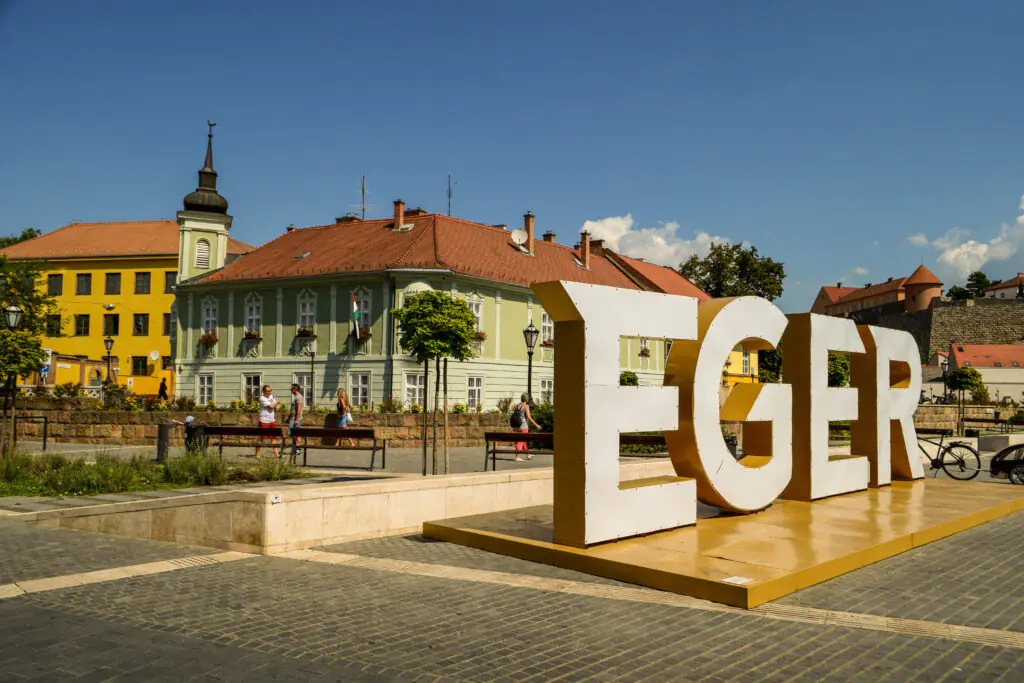
Two hours northeast, Eger stacks Hungary’s proudest story on its most enjoyable afternoon. The story first: in 1552, the castle’s roughly two thousand defenders — soldiers, townspeople, and the women of Eger, who poured boiling oil and soup from the ramparts and entered national legend — repelled an Ottoman force many times their size. The castle museum tells it properly, the ramparts read the Baroque town below, and the slender Ottoman minaret in the streets (climbable, narrow, not for the broad-shouldered) marks how the story eventually paused anyway.
The afternoon: the Valley of the Beautiful Women, a twenty-five-minute walk from the main square, where some two hundred wine cellars tunnel into the hillside horseshoe — a few dozen open for tastings, family-run, pouring Egri Bikavér (“Bull’s Blood,” the red blend named for the siege-era rumor that the defenders drank wine mixed with bull’s blood) by pipette from the barrel at prices that feel like typos. The etiquette: taste, chat in whatever language fractions exist, buy a bottle or a refill where you linger, and pace yourself — the cellars suit the slow crawl, not the sprint.
Castle morning, valley afternoon, Baroque square between — with the return by train or car mindful of who tasted what. It’s the best-value day on this list and the one visitors most often extend.
Read the full Eger day-trip page.
Lake Balaton & Tihany — The Hungarian Sea
Ninety minutes to two hours southwest, Lake Balaton is Central Europe’s largest lake and Hungary’s summer identity — fifty miles of milky-jade water with a personality split by shore: the south is shallow, warm, and family-loud; the north is deeper, vineyard-backed, and where this day points.
Tihany is the headliner: the abbey on its peninsula, whose 1055 founding charter contains the oldest written Hungarian, crowning a village of thatched cottages and — in late June and early July — the lavender fields that briefly turn the peninsula purple and the gift shops entirely lavender-flavored. The inner lake’s walking loop and the Echo Hill viewpoint fill the hours; the harbor’s fried-fish stands (hekk, eaten standing) supply the lake’s true cuisine.
The stack: Badacsony’s volcanic wine terraces up the north shore pour the mineral whites (Kéknyelű is the local flag) with the lake as the tasting room’s fourth wall; Balatonfüred’s reform-era promenade handles the gentle stroll; and the summer ferries stitch the shores into loops. The math: July–August is the season and the crowd; June and September trade a few degrees for space; and the day trip samples what Hungarians correctly treat as a week. Swimmers note the south-shore walk-forever shallows and plan accordingly.
Read the full Lake Balaton day-trip page.
Hollókő & the Palóc Hills — The Living Museum
Ninety minutes northeast, Hollókő is the UNESCO-listed reply to a question no museum can show: what does a traditional village look like when people still live in it? The Old Village’s sixty-some whitewashed Palóc houses — carved wooden gables, flowered verandas — remain homes first and heritage second, rebuilt in traditional form after fires and protected as a living settlement rather than a set.
The circuit: the tiny wooden-towered church, the weaving and pottery workshop-houses (buy at the source; the embroidery is the region’s genuine article), the village museum’s interiors, and the ruined castle on the hill above — a twenty-minute climb for the Cserhát hills panorama and the knights’-festival theatrics in season. Palóc lunch means lángos, savory strudels, and the paprika-forward stews the grandmother-run porches serve.
The calendar note: Easter is the village at maximum — the sprinkling traditions, full folk dress, and crowds to match, attended deliberately or avoided knowingly. It is a half day of substance stretched pleasantly to full with the castle and workshops — car or tour territory (public transport exists but eats the schedule) — and the counterweight day to Budapest’s imperial scale.
The Baths, the Parliament & Budapest Itself
The thermal sort, because the city sits on a hundred springs: Széchenyi is the icon — the yellow neo-Baroque palace of pools where locals play chess in the steam — biggest, busiest, and the right first visit; Gellért is the Art Nouveau jewel box for the architecture-first visitor; Rudas is the 16th-century Ottoman dome with the rooftop hot tub over the Danube (and retains single-sex days — check the schedule). The rules: bring or rent the swimsuit, cap only for lap pools, flip-flops always, and book online where offered to skip the cashier line. Two hours is a visit; locals make it a lifestyle.
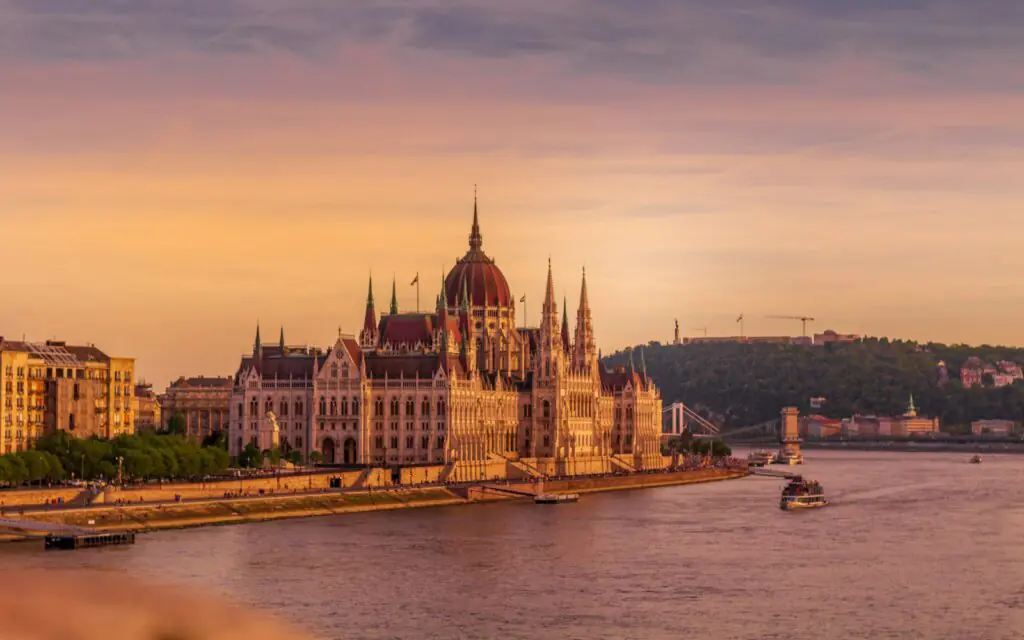
The Parliament mechanics: the interior — the crown jewels under the dome, the gilded staircase — goes by guided tour only, booked through the official visitor centre online (tours run in set languages, sell out days ahead in season, and cancel at short notice when state business intervenes; EU citizens pay less with ID). The building’s other essential view is free: the facade at night from a river cruise or the Buda embankment.
The rest: Fisherman’s Bastion before 9 (the terraces are ticketless at dawn and shoulder-to-shoulder by 11), the Castle District’s funicular-or-walk question answered by knees, the ruin bars taken as the originals (Szimpla Kert first, weeknight over weekend), and the Great Market Hall’s lángos gallery upstairs. Eat the gulyás as soup (it is soup), the chimney cake warm from the coals and acknowledged as a fairground treat, and one proper paprikás dinner; drink the fröccs by ratio and the pálinka with respect. Season math: April–June and September–October are the windows; August adds the Sziget festival’s repricing; and December’s Vörösmarty market plus bath steam under falling snow is the city’s best postcard.
Frequently Asked Questions
How do you visit the Hungarian Parliament?
Guided tours only, booked online at the official visitor centre — set language slots that sell out days ahead in season and occasionally cancel for state events. EU citizens pay a reduced rate with ID; the night facade from the river is the free second visit.
Which Budapest bath should you choose?
Széchenyi for the iconic yellow palace and chess-in-the-steam scale; Gellért for Art Nouveau splendor; Rudas for the Ottoman dome and rooftop Danube tub (mind the single-sex days). Swimsuit and flip-flops always; book online to skip the line.
Is Eger worth two hours each way?
Emphatically — the 1552 siege castle in the morning, then the Valley of the Beautiful Women’s cellar caves, where Bull’s Blood pours by pipette at painless prices. Best-value day in Hungary; mind who’s driving home.
What is Hollókő?
A UNESCO-listed Palóc village where the traditional houses are still lived in — workshops, a hilltop castle ruin, and porch-kitchen cooking. Easter is the full-folk-dress maximum; any other day is the quiet one.
When does Tihany’s lavender bloom?
Late June into early July — the peninsula turns purple around the millennium-old abbey. Pair it with Badacsony’s volcanic whites across the water, and expect the true Balaton crowds in July–August.