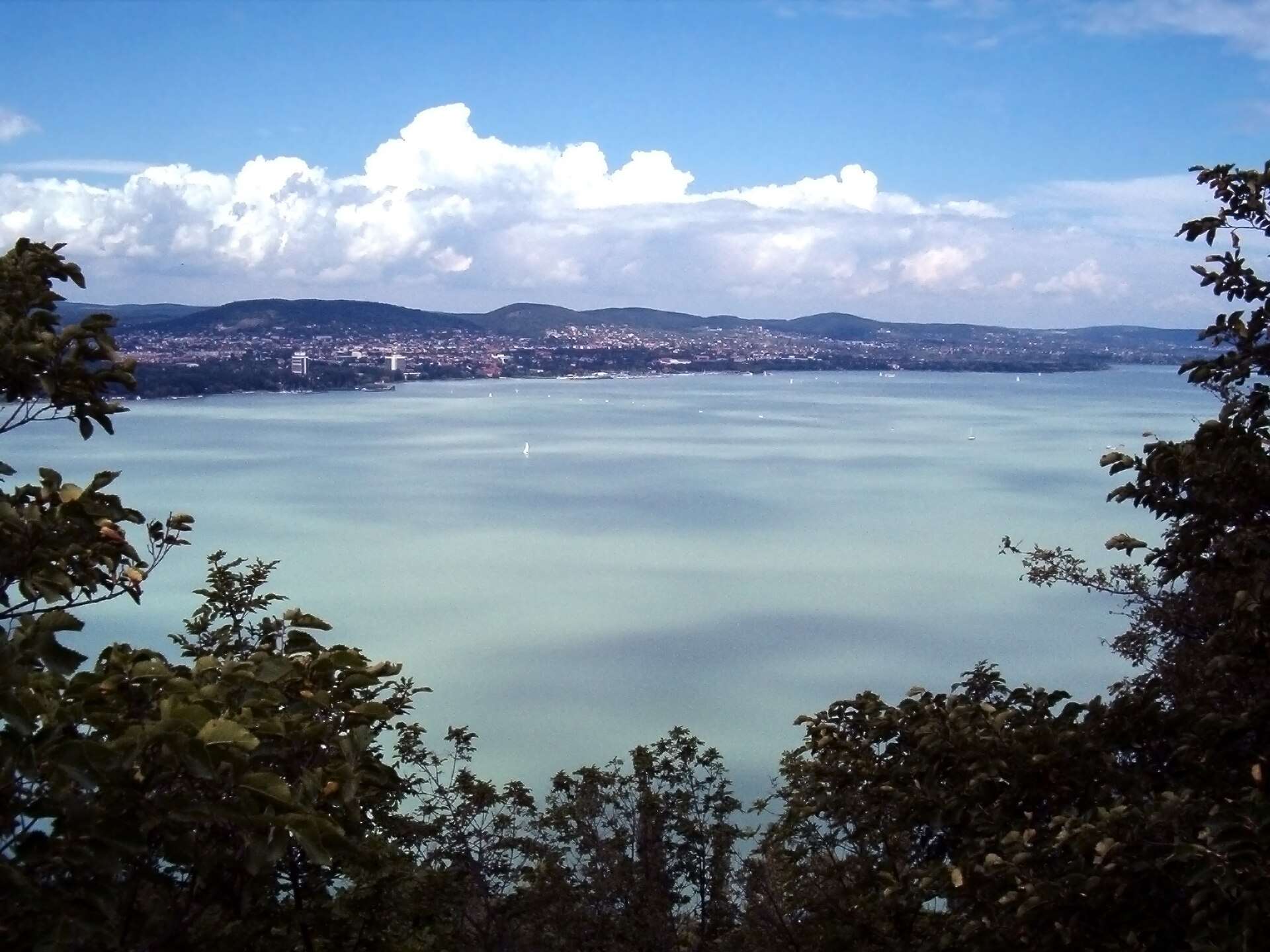
Lake Balaton from Budapest
Two hours southwest, Central Europe’s largest lake splits by shore — the south is shallow water and summer parties, the north is wine hills and a peninsula whose abbey has watched the water since 1055. Pick the north.
The short version
- Trains run Budapest to the north shore (Balatonfüred ~2 hours; Badacsony beyond) on regular schedules (jegy.mav.hu) — summer weekends load them like beach trains because they are — with local buses and the Füred–Tihany hop stitching the peninsula.
- The pick-a-shore rule per the alarm is the lake’s geography lesson: Balaton runs some 77 kilometers, the southern shore wading-shallow and resort-built (Siófok’s party economy), the northern shore deeper, hillier, and wine-terraced — the day-trip shore by every measure this network uses.
- Tihany is the alarm’s centerpiece: the Benedictine abbey founded 1055 on its peninsula — the founding charter, preserved at Pannonhalma, carries the oldest surviving written Hungarian words inside its Latin — with the twin-towered baroque church above the lake as the postcard and the crypt holding King Andrew I, its founder (abbey information at tihanyiapatsag.hu).
- The peninsula’s June identity is lavender: fields planted a century ago bloom purple in early summer with a harvest festival to match, and the inner lake, echo hill, and paprika-strung lanes fill the walking hours around the abbey.
- Balatonfüred anchors the shore’s promenade tier: the Tagore walkway’s plane trees (named for the poet who recovered at the town’s famous heart hospital and planted a tree in thanks — a tradition visiting statesmen continued), Anna-ball elegance, and the ferry pier for the Tihany approach by water.
- Badacsony extends the day for the wine-committed: the volcanic mesa’s basalt slopes grow the whites the region is known for — kéknyelű the rare native flagship — with press-house tastings up the hill paths and the alarm’s legs-and-timetable clause as the honest gatekeeper.

Getting there
The train-plus-local-hop shape works cleanly: rail to Balatonfüred, bus or seasonal boat to Tihany, and the reverse with margin for the promenade — or rail through to Badacsony for the wine-first version. Summer weekend trains fill from Budapest’s beach exodus; reserved seats and morning departures beat the crush. The alarm’s closing rule is structural: one peninsula plus one add-on is the honest day; chasing the lake’s full 77 kilometers converts a day trip into a transit exhibition.
The day
Tihany takes the heart of it: the climb from the harbor through the village lanes, the abbey’s twin towers and its crypt — King Andrew’s 1055 grave slab, the charter’s story told where the words were endowed — and the terrace view running the lake’s full silver length. The peninsula walk follows by appetite: lavender fields (June’s purple version or the year-round distillery-and-shop version), the inner lake’s reed circuit, echo hill’s diminished-but-attempted echo, and langos or főzőkölcsönző… a fried-dough-and-paprika lunch from the lanes. The add-on per the alarm’s fork: Balatonfüred’s Tagore promenade and a swim from the town lido, or the train on to Badacsony for a press-house pour of olaszrizling and kéknyelű with the basalt organ pipes above. The evening train home carries sunburn and wine in the correct proportions.
When to go
May through September is the lake’s season — June for lavender per the alarm, July–August for full swim-and-festival voltage (and full trains), September for harvest and the north shore at its golden best. The Anna Ball (late July, Füred) and Tihany’s lavender festival are the calendar’s marks. Off-season strips the shore to locals, thermal-spa logic, and the abbey standing over a grey and beautiful lake — a valid quiet version at winter train frequencies.
Frequently Asked Questions
Why not the south shore?
For a day trip, geometry and register: the south is a resort strip built for week-long family and party stays — shallow water you wade hundreds of meters into, Siófok’s nightlife economy — while the north packs abbey, wine, and hills into day-trip distances. The alarm’s rule isn’t a judgment on the south’s holidays; it’s a sorting of what fits in eight hours.
What’s special about the Tihany charter?
The abbey’s 1055 founding deed — Latin, as royal documents were — embeds dozens of Hungarian words and phrases, the oldest surviving written record of the language. The original lives at Pannonhalma’s archabbey; Tihany tells the story where it began. For Hungarians the document is a national birth certificate, and the abbey wears that weight.
Is the lavender worth timing the trip for?
If early summer is available, genuinely — the fields bloom roughly early-to-mid June with the festival attached, and the peninsula in purple is the lake’s best photograph. Outside the window, the lavender house and distillery products run year-round, and the abbey-and-lake substance doesn’t wilt.
What is kéknyelű?
A rare native white grape nearly lost in the twentieth century, revived on Badacsony’s volcanic slopes — structured, mineral, age-worthy, and poured at the source in press houses up the hill. Tasting it on basalt above the lake is the wine-traveler’s whole argument for the northern shore; olaszrizling and juhfark fill out the local card.
Balaton or Eger from Budapest?
Eger (documented on this network) for the 1552 siege castle and pipette cellars at a shorter ride; Balaton for the lake, the abbey, and the summer register. History-and-cellars versus water-and-lavender — season decides it more than taste: June through September argues the lake, the cold months argue Eger’s cellars.